
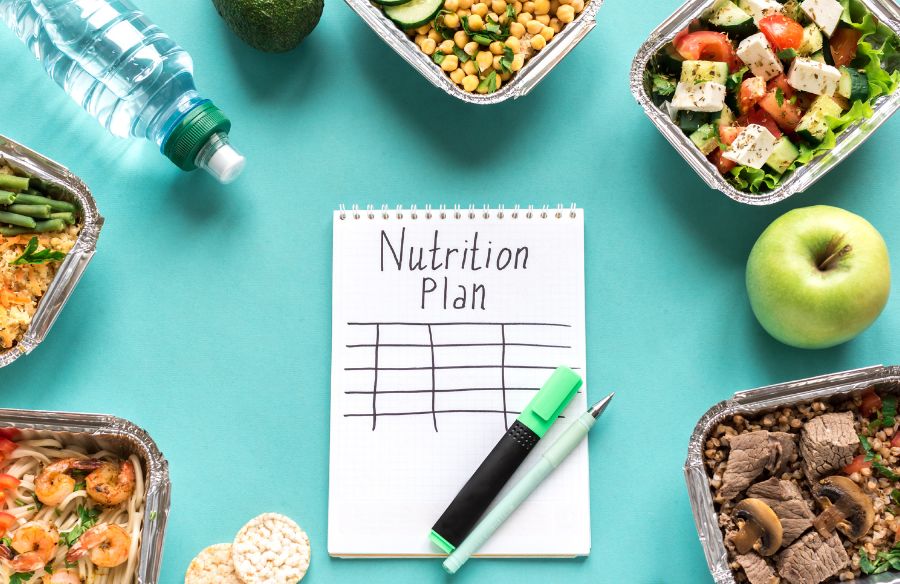
In today’s fast-paced world, the significance of nutrition is often overshadowed by convenience. However, the food we consume plays a crucial role in our overall health and well-being. Nutritional food isn’t just about counting calories or maintaining a certain weight; it’s about nourishing our bodies, supporting our immune system, and fostering long-term health. In this comprehensive guide, we’ll delve into the importance of nutritional food, explore various nutrient-dense options, and provide practical tips for incorporating them into your daily routine.
The Importance of Nutritional Food
Nutritional food is the cornerstone of a healthy lifestyle. It provides essential vitamins, minerals, and other nutrients that our bodies need to function optimally. Proper nutrition helps in maintaining a healthy weight, reducing the risk of chronic diseases, and promoting overall well-being. When we fuel our bodies with nutrient-rich foods, we boost our energy levels, improve our mental clarity, and enhance our mood.
Macronutrients: The Building Blocks of Nutrition
Macronutrients—proteins, carbohydrates, and fats—are the primary components of our diet. Each plays a unique and vital role in our health.
Proteins
Proteins are essential for growth, repair, and maintenance of body tissues. They are made up of amino acids, which are the building blocks of our muscles, skin, enzymes, and hormones. Sources of high-quality protein include lean meats, fish, eggs, dairy products, legumes, nuts, and seeds.
Carbohydrates
Carbohydrates are the body’s main source of energy. They are classified into simple and complex carbohydrates. Simple carbohydrates, found in sugary foods and drinks, provide quick energy but lack nutritional value. Complex carbohydrates, found in whole grains, fruits, and vegetables, offer sustained energy and are rich in fiber, which aids digestion.
Fats
Fats are essential for brain health, energy, and the absorption of certain vitamins. Healthy fats, such as those found in avocados, nuts, seeds, and olive oil, should be included in a balanced diet. It’s important to limit saturated fats and avoid trans fats, which can increase the risk of heart disease.
Micronutrients: The Vitamins and Minerals We Need
Micronutrients, including vitamins and minerals, are required in smaller amounts but are crucial for various bodily functions.
Vitamins
Vitamins are organic compounds that support various physiological processes. For example, Vitamin A is essential for vision, Vitamin C for immune function, and Vitamin D for bone health. Consuming a variety of fruits and vegetables ensures adequate vitamin intake.
Minerals
Minerals, such as calcium, potassium, and iron, are inorganic elements that play key roles in bone health, muscle function, and oxygen transport. Dairy products, leafy greens, nuts, and whole grains are excellent sources of essential minerals.
The Role of Fiber in Nutrition
Fiber is a type of carbohydrate that the body cannot digest. It plays a significant role in digestive health by promoting regular bowel movements and preventing constipation. Fiber-rich foods, such as whole grains, fruits, vegetables, and legumes, also help in maintaining a healthy weight by providing a feeling of fullness.
Nutrient-Dense Foods: The Key to Optimal Health
Nutrient-dense foods are those that provide a high amount of vitamins, minerals, and other beneficial compounds relative to their calorie content. Incorporating these foods into your diet ensures you get the most nutritional bang for your buck.
Leafy Greens
Leafy greens, such as spinach, kale, and Swiss chard, are packed with vitamins A, C, and K, as well as folate and iron. They are low in calories and can be easily added to salads, smoothies, and soups.
Berries
Berries, including blueberries, strawberries, and raspberries, are rich in antioxidants, vitamins, and fiber. They are excellent for reducing inflammation and promoting heart health. Enjoy them as a snack, in yogurt, or as part of a healthy dessert.
Nuts and Seeds
Nuts and seeds, such as almonds, walnuts, chia seeds, and flaxseeds, are great sources of healthy fats, protein, and fiber. They also contain essential minerals like magnesium and zinc. Sprinkle them on salads, oatmeal, or enjoy them as a snack.
Whole Grains
Whole grains, such as quinoa, brown rice, and oats, provide complex carbohydrates, fiber, and essential nutrients like B vitamins and iron. They help in maintaining steady energy levels and support digestive health.
Lean Proteins
Lean proteins, such as chicken breast, turkey, fish, and plant-based options like tofu and legumes, are crucial for muscle repair and growth. They also help in keeping you full and satisfied, reducing the likelihood of overeating.
Practical Tips for Incorporating Nutritional Food
Making healthy eating a part of your daily routine doesn’t have to be complicated. Here are some practical tips to help you get started:
Plan Your Meals
Planning your meals in advance can help you make healthier choices and avoid last-minute unhealthy options. Create a weekly menu that includes a variety of nutrient-dense foods.
Shop Smart
When grocery shopping, focus on the perimeter of the store where fresh produce, lean meats, and dairy products are typically located. Avoid the aisles with processed and packaged foods.
Cook at Home
Cooking at home allows you to control the ingredients and portion sizes. Experiment with new recipes that incorporate a variety of vegetables, whole grains, and lean proteins.
Stay Hydrated
Drinking plenty of water is essential for overall health. Sometimes, our bodies mistake thirst for hunger, leading to unnecessary snacking. Aim to drink at least eight glasses of water a day.
Practice Mindful Eating
Pay attention to your hunger and fullness cues. Eating slowly and savoring each bite can help you enjoy your food more and prevent overeating.
Embrace the Journey to Better Nutrition
Embracing a diet rich in nutritional food is a powerful step towards a healthier, happier life. By understanding the importance of macronutrients and micronutrients, incorporating nutrient-dense foods, and following practical tips for healthy eating, you can transform your diet and improve your overall well-being. Remember, the journey to better nutrition is a marathon, not a sprint. Start with small changes, stay consistent, and celebrate your progress along the way. At WealthInWellness, we’re here to support you on your path to optimal health and vitality.